
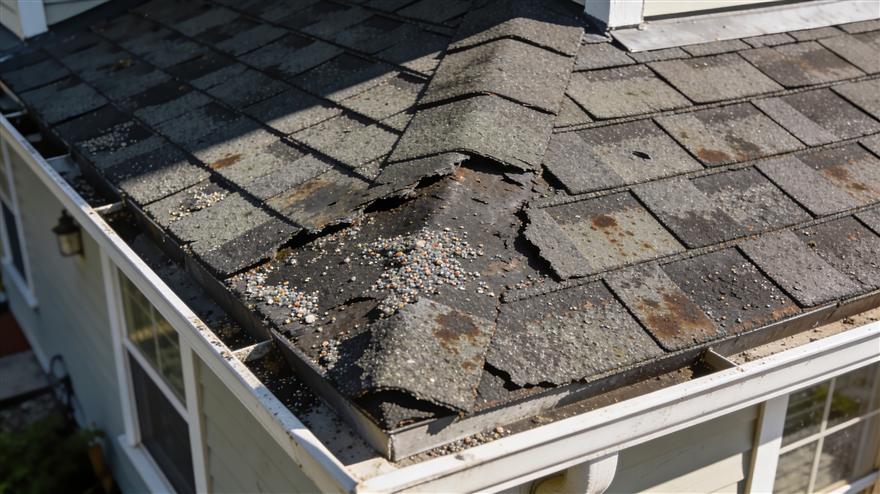
Tampa Bay roofing companies deal with hurricane season the way most Gulf and Atlantic coastal markets do, a defined risk window running roughly June through November, with the possibility of a major storm making direct landfall or passing close enough to cause significant wind and water damage. What makes the Tampa market specifically worth understanding on its own, beyond the general hurricane pattern already covered for Houston, is the combination of low-lying coastal geography and Florida’s specific building code environment.
Storm Surge Adds a Layer Beyond Wind Damage
Tampa Bay’s coastal and low-lying areas carry real storm surge risk during a significant hurricane, water pushed inland by the storm that can affect properties well beyond what wind damage alone would suggest. For roofing companies, this means being able to distinguish wind-driven roof damage from surge-related water damage lower on a property is important, since these are typically treated very differently by insurance depending on flood coverage specifics, similar to the wind-versus-flood distinction covered in the Houston market piece but shaped by Tampa’s particular coastal geography.
Florida’s Building Code Environment
Florida has some of the more stringent wind-resistance building code requirements in the country, particularly following major hurricanes that prompted code updates over the years. This affects roofing work in a practical way, repairs and replacements in many cases need to meet current code requirements for wind resistance, which can differ from what was originally installed on an older home. Roofing companies working in Tampa need to stay current on these requirements, since installing to outdated standards can create both compliance and insurance issues for the homeowner.
Year-Round Moisture Considerations
Beyond hurricane season itself, Tampa’s humid, coastal climate affects roofing material lifespan in ways that inland, drier markets don’t experience to the same degree. Consistent moisture and humidity can accelerate certain types of wear, which means even outside of an active storm, roof condition assessments in this market benefit from accounting for climate-driven aging separately from acute storm damage, similar in spirit to how extreme heat affects roofing in a market like Phoenix, just through a different mechanism.
What This Means Operationally
Documentation should distinguish wind, surge, and ongoing moisture wear. Given how many different damage sources can affect a single property over time in this climate, clear dating and categorization of damage at inspection matters for accurate insurance claims.
Code compliance needs to be current, not assumed. Repair and replacement work should reflect current Florida wind-resistance requirements, and staying updated on code changes is a real ongoing responsibility, not a one-time thing to learn and forget.
Claim volume can be significant and metro-wide during a direct hurricane hit. Tampa Bay is a large, dense metro area, and a direct or near-direct hurricane strike can generate a substantial volume of claims across the region simultaneously, similar in scale considerations to the Houston hurricane piece.
Where LynkedUp Pro Fits In
LynkedUp Pro’s storm intelligence ties leads and claims to specific storm events, helping Tampa area roofing companies document whether damage relates to wind, storm surge, or longer-term moisture wear, a distinction that matters for how insurance claims get evaluated. Insurance claim tracking as its own workflow also helps manage the claim volume and longer timelines that can follow a significant hurricane event across a metro the size of Tampa Bay.
If your team operates in the Tampa Bay area, it’s worth seeing how storm-specific documentation supports claims involving Florida’s particular mix of wind, surge, and coastal moisture considerations.
Frequently Asked Questions
How is storm surge damage different from wind damage for roofing claims?
Storm surge involves water pushed inland by a storm, which is typically treated differently by insurance than wind-driven roof damage, often depending on whether a property carries separate flood coverage.
Do Florida building codes require special wind resistance standards for roofing?
Yes, Florida has notably strict wind-resistance building code requirements, particularly following major past hurricanes, and roofing repairs or replacements often need to meet current standards rather than simply matching what was there before.
Does Tampa’s humid climate affect roofing material lifespan outside of hurricane season?
Yes, consistent coastal humidity and moisture can accelerate wear on certain roofing materials over time, separate from acute storm damage, which is worth factoring into inspections done outside an active storm event.
How large can claim volume get after a direct hurricane hit on Tampa Bay?
Given the size and density of the Tampa Bay metro, a direct or near-direct hurricane strike can generate a very large volume of claims across the region simultaneously, which affects both response timelines and insurance company backlogs.