
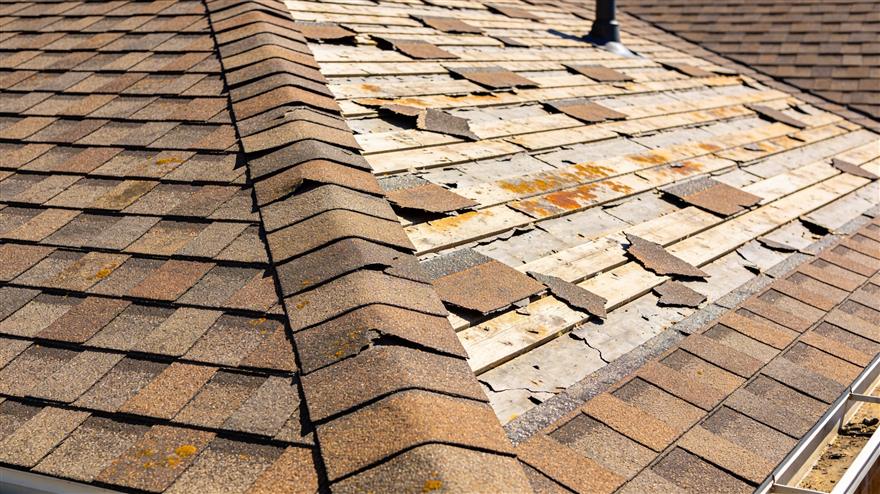
Storm restoration lead generation looks easy from the outside. Hail hits, phones ring, and everybody is busy for a month. Then the season ends and the numbers do not add up. The calls you missed on day one went to someone else. The doors your reps knocked never turned into follow-ups. The neighbors of your best jobs signed with the company whose sign went up second.
Local roofers usually have the better reputation and the better workmanship. What they often lack is a system that moves as fast as the out-of-town crews. This playbook covers where storm damage leads actually come from, how to work each source in the first few days, and how to keep the leads you generate from leaking out of your pipeline.
Where Storm Restoration Leads Come From
After a hail or wind event, storm leads tend to come from five places. Most companies work one or two of them hard and ignore the rest.
- Canvassing. Reps knocking inside the impact zone. This is usually the largest source and the one most dependent on good targeting.
- Inbound calls. Homeowners who noticed damage, or just heard the hail, and call around. Volume spikes hard in the first days.
- Past customers. People you already roofed or inspected who live inside the swath. They know you, and they are often the easiest yes.
- Neighbor referrals. Every job you start in a neighborhood is a chance at the houses on either side and across the street.
- Web and form leads. Homeowners searching after the storm. Smaller in volume for most local roofers, but often high intent.
The common thread is timing. All five sources peak early and fade. Storm Intel is built around that window: it alerts you the morning after a qualifying event and turns the mapped swath into territory, which is why the storm intelligence and hail mapping layer sits at the start of the process rather than off to the side.
Step One: Know Where It Hit Before the Phones Start
You cannot generate storm leads efficiently without knowing which streets are worth your time. Set up watch lists for the ZIP codes and regions you actually serve, with thresholds for hail size or wind speed so you are not chasing every thunderstorm. When an alert comes in, look at three things before anyone gets in a truck:
- Where the larger estimated hail size bands fell inside the swath
- Roof age indicators for the neighborhoods inside it
- Which of your past customers have addresses inside the impact zone
That last one is the most overlooked. Your own database is the cheapest lead list you will ever have. If your CRM can show you every past customer and prior inspection inside the swath, call them first. A homeowner who already trusts you does not need to be won at the door.
Step Two: Canvass the Impact Zone With a Plan
Canvassing is where most storm restoration lead generation happens, and where most of it is wasted. The usual failure is not effort. It is coordination. Two reps knock the same subdivision, nobody covers the one next to it, and "come back Saturday" doors are forgotten by Monday.
A tighter approach:
- Draw territories from the swath. Convert the priority zones into assigned territories with a rep or team and a date range on each.
- Brief reps with specifics. The storm date and estimated hail size for the street give the rep something concrete and honest to say.
- Record every door. Not home, not interested, callback, inspection booked. One tap each, so the second pass knows what the first one learned.
- Book on the spot. A yes at the door should become a lead and an inspection appointment immediately, not a note on a pad.
- Watch coverage daily. A heat map of knocked versus untouched streets shows where to send people tomorrow.
The ProCanvas canvassing app for roofers handles each of these, with the storm swath overlaid on the territory map and every knock synced into the CRM.
Step Three: Answer Every Inbound Call
Inbound volume after a storm can be more than a small office can handle. Calls go to voicemail, the homeowner hangs up and calls the next number, and the lead is gone before anyone knew it existed. Even an hour can be too long when a homeowner has three companies on their list.
Some practical fixes:
- Have a clear plan for who answers the phone during a storm surge, including evenings and weekends.
- Use missed-call text back so every unanswered call gets an immediate text with a way to book.
- Consider an AI receptionist for roofing calls to answer, qualify, and book when the office is overloaded.
- Make sure every inbound call becomes a lead record with its source, so you can see later how much storm work came from the phone.
Step Four: Turn Each Job Into Neighbor Leads
A roof going up on a street is the best advertising you have. Neighbors see the dumpster, the crew, and the sign, and many of them got hit by the same storm. Work that deliberately:
- Ask the homeowner, politely, if they mind a yard sign during and after the job.
- Knock the houses on either side and across the street while the crew is on site.
- Mention the job by address so neighbors know you are working locally, not passing through.
- Tag those leads with the original job as the source so you know which jobs generate referrals.
Our guide to roofing referral tracking covers how to measure this source over a full season.
Step Five: Stop the Leaks Between Lead and Claim
Generating storm leads is half the job. The other half is not losing them. The common leaks:
| Leak | What it looks like | Fix |
|---|---|---|
| Slow first contact | Lead sits overnight with no call or text | Automated first text and an owner on every lead |
| Forgotten callbacks | "Come back Saturday" never happens | Scheduled callbacks with reminders on the rep's phone |
| Wrong storm date | Date of loss reconstructed weeks later | Storm date captured automatically on the lead |
| Lost claim details | Adjuster, scope, and supplements spread across email | Claim tracking on the same job record |
| Unknown sources | No idea which territory or rep produced the job | Source attribution back to rep, territory, and event |
Each of these is a process problem first and a software problem second. But software that holds the storm date, the knock history, and the claim on one record makes the process much easier to follow on a busy week.
Doing Storm Work the Right Way
Storm markets attract bad actors, and homeowners know it. Local companies win long term by being the obvious opposite. Do not imply damage you have not inspected. Do not pressure homeowners to sign before an inspection. Follow your state and city rules on door-to-door solicitation and contracts. In some states, offering to cover or waive a homeowner's insurance deductible is illegal, so check your state's laws and talk to your attorney if you are unsure. Honest, well-documented work is also the work that gets paid with the fewest fights.
Where LynkedUp Pro Fits In
LynkedUp Pro connects the pieces of storm restoration lead generation in one platform. Storm Intel maps radar-verified hail swaths and sends morning-after alerts. ProCanvas turns swaths into assigned territories and captures every knock, even offline. The Voice Genie AI receptionist and missed-call text back help with inbound surges. Every lead carries its storm date, source, and history into the CRM, where the claim, supplements, and production are tracked on the same job. Start with the Storm Intel storm restoration software overview to see how it fits your season.
Frequently Asked Questions
What is the best source of storm restoration leads?
For most local roofers, canvassing inside a verified impact zone produces the most volume. Past customers inside the swath are often the easiest to convert and are frequently overlooked.
How fast should I respond to storm leads?
As fast as possible, ideally within minutes for inbound calls and forms. Homeowners often contact several companies after a storm, and the first to respond has an advantage.
Should I buy storm leads?
Some companies do, with mixed results. Whatever you buy, track the source on every lead so you can compare its close rate against canvassing and referrals.
How do I generate leads from jobs already in progress?
Ask permission for a yard sign and knock the neighboring houses while the crew is on site. Tag those leads with the original job so you can measure referral value.