
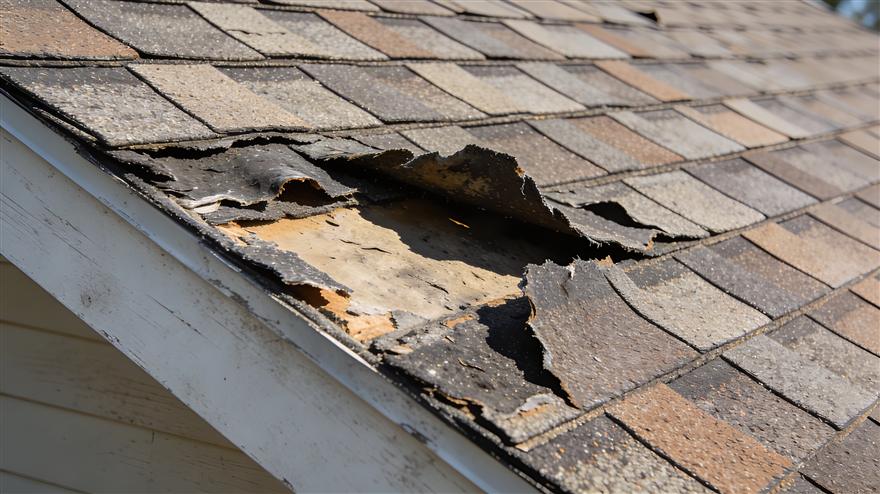
Phoenix roofing does not follow the same pattern as a hail market or a hurricane market, even though both of those get most of the national attention when people talk about storm restoration. The Arizona monsoon season, which typically runs through the summer months, brings something different. Intense but short lived downpours, strong sudden wind gusts, and large dust storms that can strip granules off shingles and damage roofing systems that were already under stress from months of extreme heat.
What Makes Phoenix Storm Damage Different
The heat comes first and it matters more than people outside the region realize. Roofing materials in the Phoenix area spend most of the year under intense sun and extreme surface temperatures, which accelerates wear on shingles, membranes, and sealants well before a single storm ever arrives. By the time monsoon season hits, a lot of roofs are already more vulnerable than they would be in a milder climate.
Then the storms themselves are fast and violent rather than prolonged. A monsoon storm can dump a significant amount of rain in a short window, combined with wind gusts strong enough to lift shingles or damage flashing, and it often arrives with very little warning. That combination of sudden intensity and a roof already stressed by heat is a different failure pattern than gradual hail bruising or sustained hurricane force wind.
Dust storms add another layer that barely comes up in general roofing content. A haboob moving through the area can drive debris into a roofing system and cause damage that is easy to miss during a quick visual inspection but shows up later as leaks once the next storm hits the same weak spot.
What This Means Operationally for Phoenix Roofing Companies
Documentation needs to separate storm damage from ongoing heat related wear clearly, since insurance adjusters are going to want to know whether damage was caused by a specific storm event or whether it reflects gradual deterioration that was already present. Photos and notes taken at the time of inspection, tied to a specific storm date, matter here just as much as they do in any other storm market.
Crew scheduling has to account for extreme heat safety, particularly for work happening outside of monsoon season during peak summer months, which affects how much can realistically get done in a given day and when crews can safely be on a roof at all.
Lead volume during an active monsoon event can spike quickly but often in a more localized way than a widespread hurricane, since a single strong storm cell might hit one part of the metro area hard while leaving another area untouched, which makes knowing exactly where damage occurred just as important as knowing that a storm happened at all.
Where Local Companies Have an Advantage
Homeowners in Phoenix are generally used to dealing with heat related maintenance issues year round, which means a local company that can clearly explain the difference between ongoing heat wear and specific storm damage tends to build more trust than one that treats every conversation as a generic storm pitch. Being able to point to a specific storm event, tied to an actual date and location, and explain what changed on that roof because of it, is a stronger conversation than a vague reference to monsoon season in general.
Where LynkedUp Pro Fits In
LynkedUp Pro ties leads and claims to specific storm events and property data, which matters in a market like Phoenix where distinguishing a specific monsoon event from months of ongoing heat wear affects whether a claim gets approved cleanly. Insurance claim tracking that stays separate from general sales pipeline stage also helps manage the documentation load that comes with proving damage occurred on a particular date rather than gradually over a hot Arizona summer.
If your team is heading into another monsoon season without a clear way to tie damage to specific storm events, it might be worth seeing how storm intelligence and claim tracking work together. You can explore the platform at lynkeduppro.com.
Frequently Asked Questions
When does monsoon season typically affect the Phoenix area?
Arizona monsoon season generally runs through the summer months, bringing sudden thunderstorms, strong winds, and occasional dust storms, though exact timing and intensity vary year to year.
How does extreme heat affect roofing materials in Phoenix before monsoon season even starts?
Sustained high temperatures can accelerate wear on shingles, sealants, and membranes over time, which means a roof entering monsoon season may already be more vulnerable than the same roof would be in a milder climate.
Can dust storms actually damage a roof?
Yes, blowing debris and grit during a significant dust storm can strip granules and cause abrasion on roofing materials, and this kind of damage is sometimes harder to spot immediately compared to more obvious wind or hail damage.
Is Phoenix roofing work affected by extreme summer heat beyond just monsoon storms?
Yes, crew safety and scheduling both have to account for extreme heat during peak summer months, which shapes when and how much roofing work can realistically happen on a given day, separate from storm activity itself.