
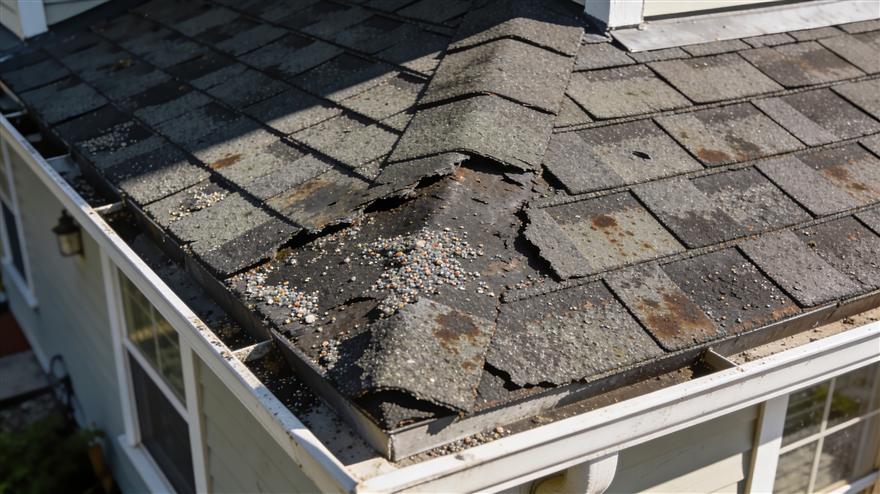
A homeowner notices a water stain on the ceiling at 9 p.m. on a Sunday. They search for a roofer, call the first number, and get voicemail. They do not leave a message. They call the second number. Whoever answers that call usually gets the inspection, and often the job. That is why an after hours answering service for roofers is not a luxury. It is how you stop handing evening and weekend leads to the competition.
This guide covers the real options for covering the phone when your office is closed, what each one is good and bad at, and how to set up after-hours coverage so it books inspections instead of just collecting messages.
Why After-Hours Calls Matter So Much in Roofing
Roofing has a strange calling pattern. Homeowners tend to notice problems when they are home: evenings, weekends, and right after a storm rolls through. Your office, meanwhile, is staffed during business hours, and your reps and crews are on roofs or in the truck during most of the day.
That mismatch creates three kinds of calls that regularly go unanswered:
- Evening and weekend leads. People who finally have time to deal with the roof, often comparing several contractors at once.
- Storm-night calls. After hail or high wind, calls come in through the night and the following morning, often more than the office could take even during business hours.
- Emergencies. Active leaks, tarping needs, and storm damage that cannot wait until Monday.
Each of these deserves a different response. A new lead needs to be qualified and booked. A storm caller needs to get on the inspection list fast. An emergency needs a person. A good after-hours setup handles all three.
Your Options for an After Hours Answering Service for Roofers
Most roofing companies end up choosing among four approaches. Here is an honest look at each.
1. Forward calls to the owner's cell
Cheap and personal, and it works when you are small. It also means you never really clock off, calls get missed when you are with family or asleep, and nothing gets logged unless you remember to do it the next day.
2. Voicemail with a callback promise
Easy to set up and better than nothing. The problem is that many homeowners will not leave a message, and the ones who do expect a quick callback. By the time you call back on Monday morning, they may already have an appointment with someone else.
3. A human answering service
A live person answers in your company's name. That is a real step up from voicemail. The limits are usually what happens after the call: many services take a message and email it to you, rather than booking the inspection on your calendar. Messages then need to be re-typed into your CRM, and storm-night volume can overwhelm a service just like it overwhelms your office.
4. An AI receptionist
An AI receptionist for roofing companies answers in a natural voice, asks qualifying questions, books an inspection on a real calendar, and writes the call into your CRM with a transcript. It answers calls in parallel, so a storm night does not create a queue. It should still hand off emergencies and unusual calls to a person.
| Option | Books the inspection? | Logs to CRM? | Handles storm volume? |
|---|---|---|---|
| Owner's cell | Sometimes | Only if you remember | No |
| Voicemail | No | No | No |
| Human answering service | Varies by service | Usually by email or manual entry | Limited by staff on shift |
| AI receptionist | Yes, against real availability | Yes, with transcript | Yes, answers calls in parallel |
What Good After-Hours Coverage Looks Like
Whatever option you choose, judge it against what the caller and your team need by Monday morning. Good after-hours coverage does the following.
- Answers on the first ring. Speed matters most for new leads who are calling several roofers.
- Sounds like your company. The greeting uses your business name and explains, briefly, what happens next.
- Qualifies the caller. Address, damage type, active leak, roof age, insurance claim status, and urgency.
- Books, not just records. The caller should hang up with an inspection time and a confirmation text, not a promise that someone will call.
- Escalates emergencies. Active leaks and safety issues get transferred to an on-call person with details attached.
- Leaves a clean record. Every call shows up in your CRM as a lead with notes, so Monday starts with a list of booked appointments rather than a pile of messages.
Setting Up an On-Call Rotation That Works With It
Even with an AI or human answering service, someone needs to own true emergencies. A simple on-call rotation keeps that from landing on the owner every night.
- Define what counts as an emergency. Active leak into the living space, storm damage with an open roof, or anything involving safety. Write it down so the answering service or AI can apply it consistently.
- Rotate the on-call person weekly. Share the load across reps, project managers, or a supervisor, and make sure the transfer number updates with the rotation.
- Keep tarping supplies ready. An emergency transfer is only useful if someone can actually get out to stop the water.
- Review every escalation. On Monday, look at what was transferred and why. Tighten the rules if non-emergencies are getting through, or loosen them if real problems waited.
Storm Nights Need Their Own Plan
A big hail or wind event is the hardest test of any after-hours setup. Call volume can jump far past what a normal evening looks like, and every caller is also calling your competitors.
Plan for it before storm season starts. Decide how far out inspections can be booked, which reps cover which areas, and what message callers hear when the schedule is full. An AI receptionist that reads live calendar availability and routes by territory can book the next open slot near the caller instead of promising a callback. Pair that with automated follow-up in your roofing CRM, so every storm caller gets a confirmation, a reminder, and a follow-up if they did not book.
If calls still slip through, a missed-call text back sends the caller a message right away so they know you saw the call and are on it.
How to Measure Whether It Is Working
You do not need a complicated dashboard. Track a few simple numbers for a month before and after you change your after-hours setup.
- How many calls came in outside business hours
- How many reached voicemail or went unanswered
- How many after-hours callers booked an inspection
- How many of those inspections turned into signed jobs
If after-hours calls are booking and closing at a reasonable rate, the setup is paying for itself. If they are being answered but not booked, the problem is usually the qualifying questions or calendar availability, not the answering.
Where LynkedUp Pro Fits In
LynkedUp Pro includes Voice Genie, an AI after-hours answering service for roofers that runs 24/7, including weekends and holidays. It qualifies callers with roofing questions, books inspections against real rep availability by territory, transfers emergencies to a person, and logs each call into the pipeline with a transcript and recording.
Because it writes into the same roofing CRM as the rest of your sales and production, follow-up starts automatically and Monday morning begins with booked inspections instead of a stack of voicemails.
Frequently Asked Questions
What is an after hours answering service for roofers?
It is any service that answers a roofing company's phone outside business hours. Options include forwarding to a cell phone, a human answering service, or an AI receptionist that can qualify the caller and book an inspection.
Should roofers answer the phone after hours?
Yes, if you want evening, weekend, and storm-night leads. Many homeowners will not leave a voicemail and will call the next roofer instead.
Can an AI receptionist handle roofing emergencies at night?
It should recognize emergencies like active leaks and transfer the caller to your on-call person immediately, with their details already captured.
Is a human answering service or AI better for roofers?
A human service gives a live voice but often only takes messages. An AI receptionist can book the inspection, log the call to your CRM, and answer many calls at once during storms.
How do I handle after-hours calls during storm season?
Plan territories and booking limits in advance, use an answering option that can handle many calls at once, and make sure every caller gets an automatic confirmation or follow-up.