Ask any owner what their margin is and they'll give you a number from the estimate: 34%, 30%, whatever the spreadsheet says. Ask them what they actually collected on the last ten jobs, and the number is usually lower — sometimes a lot lower. The gap isn't bad pricing. It's paperwork.
Every manual follow-up, every missing project detail, every proposal re-typed because a price changed, every job photo that never made it off someone's phone — each one is small. Stacked across a season, they're the difference between a good year and a break-even one.
Where the Margin Actually Leaks
It rarely leaks in one dramatic place. It leaks in the same three spots, on almost every job:
- The second site visit. A measurement taken with a tape and a ladder isn't wrong, but it isn't documented well enough to survive a dispute. When the insurer asks for evidence, someone drives back out.
- The re-typed proposal. A homeowner disputes one line item, and the whole document gets retyped from scratch because there's no live source of truth — just a Word file on someone's desktop.
- The follow-up that never happens. Leads go cold not because reps are lazy, but because there's no system nudging the next action. "I'll call them back" is not a workflow.
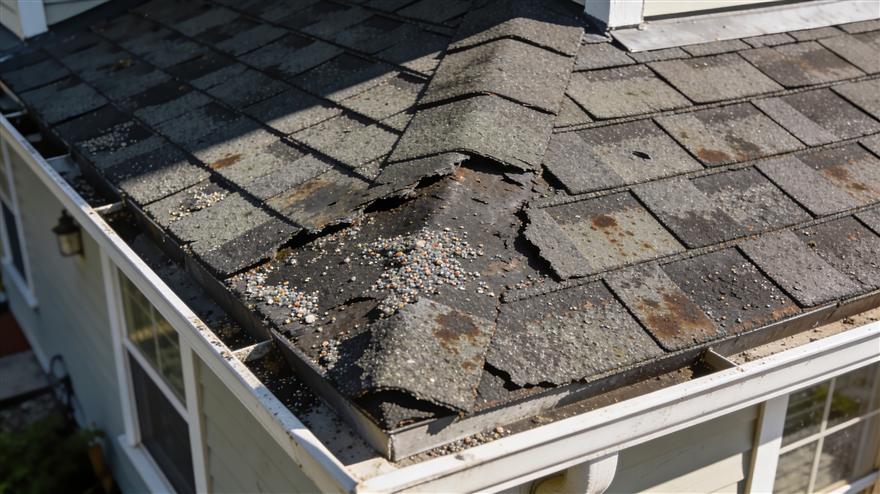
The roof doesn't cost you the margin. The gap between the site visit and the signed proposal does.
Why "We'll Follow Up" Doesn't Scale
Every sales team believes it follows up consistently. Almost none of them actually do, because follow-up that lives in someone's memory competes with a truck full of other jobs, a crew that needs scheduling, and a phone that won't stop ringing.
The fix isn't a more disciplined team. It's removing the step where a human has to remember anything. A missed call that auto-triggers a text. A scan that becomes a proposal without anyone opening a word processor. A signed job that files its own claim paperwork. None of that requires better people — it requires a system that does the remembering.
What Actually Fixes It
You don't need to overhaul how your crews work. You need to close the three leaks above:
- Capture the scan and the measurement in one visit, on the phone that's already in the truck.
- Generate the proposal from that same data, so a disputed line item is an edit, not a re-type.
- Let the system trigger the next follow-up automatically, on a schedule a human doesn't have to hold in their head.
None of it is exotic. It's just the difference between a job file that works for you and one you have to work for.