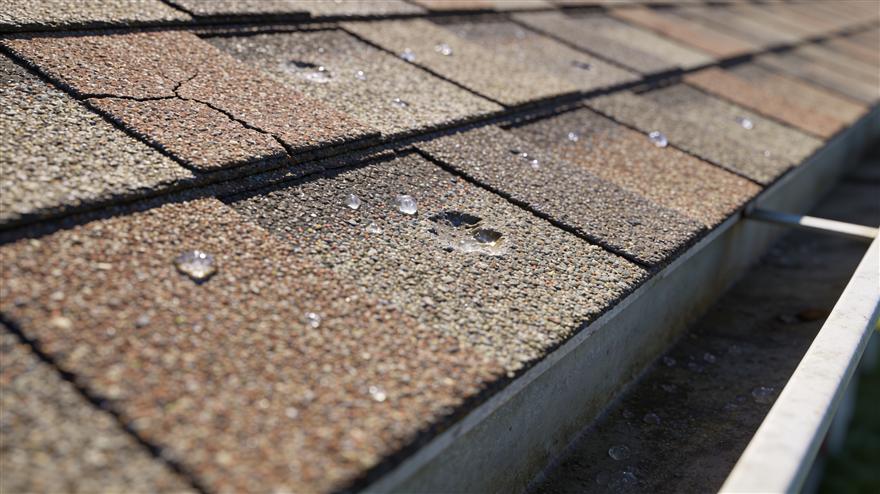
The storm is the easy part. It shows up, does the damage, and moves on. What happens in the 48 hours after it passes decides whether every claim in its path gets approved on the first pass, or drags into a second visit and a supplemental fight.
Crews that treat those two days as a documentation sprint — not just a canvassing sprint — close faster and get paid more of what they bid. Here's the order that works.
Hour 0–6: Confirm and Document the Event Itself
Before a single roof gets inspected, lock down the storm data you'll need for every claim in the territory: verified hail size, wind speed, and the exact swath the cell tracked over. Adjusters trust radar-verified data far more than a homeowner's memory of "it was big."
- Pull the radar-verified hail swath and impact size for your zone.
- Screenshot or export the report with a timestamp — you'll attach this to every claim filed from this event.
- Flag every property already in your pipeline that falls inside the swath.
Hour 6–24: Get Eyes on Every Roof in the Path
This is the window where speed compounds. The first crew to reach a property with a phone-based scan usually walks away with the signature, because nobody else has shown up with a measured bid yet.
Hail size, verified
Radar-confirmed impact diameter for the April 22 supercell used in our reference claim.
✕ HAIL VERIFIEDImpact points, facet F2
Individually mapped and photographed — the density that turns "some wear" into an approved claim.
⚠ MODERATE–HIGHScan-to-report time
From phone capture to a measured, damage-flagged estimate, ready to hand to the homeowner.
✓ ON SITEA claim doesn't get denied because the damage wasn't real. It gets denied because the damage wasn't proven.
Hour 24–48: Build the Evidence Pack Before the Adjuster Calls
By the time an adjuster schedules a visit, you want the packet already assembled: dated photos of every impact, a facet-by-facet damage map, and the shingle class and age on record. Adjusters move fast through files that are already organized in the format carriers expect — and slow through everything else.
- Group photos by facet, not by folder date.
- Include a wide shot of each slope alongside the close-up impact photos.
- Note shingle class, roof age, and any prior repair history up front.
- Timestamp and geo-tag everything automatically — don't rely on manually renaming files at 11pm.
What Adjusters Actually Look For
Adjusters aren't looking to deny a legitimate claim — they're looking for a reason to approve it quickly and move to the next file on their desk. Give them a complete, dated, facet-mapped packet and most claims in a verified hail path close without a second roof visit.